December is a month filled with excitement, celebrations, and significant changes in routine. While many families look forward to the holiday season, these transitions can be especially challenging for children with autism. From changes in school schedules and therapy sessions to travel, guests, and new environments, the month of December can quickly become overwhelming without a structured plan in place.
At VBA California, we understand how important it is to support children with autism through transitions—especially during the holidays. With Applied Behavior Analysis (ABA) strategies and individualized support, families can create a smoother, more predictable experience during this busy season. Here are practical ways to manage transitions throughout December and keep your child feeling supported and secure.
1. Use Visual Schedules to Support Predictability
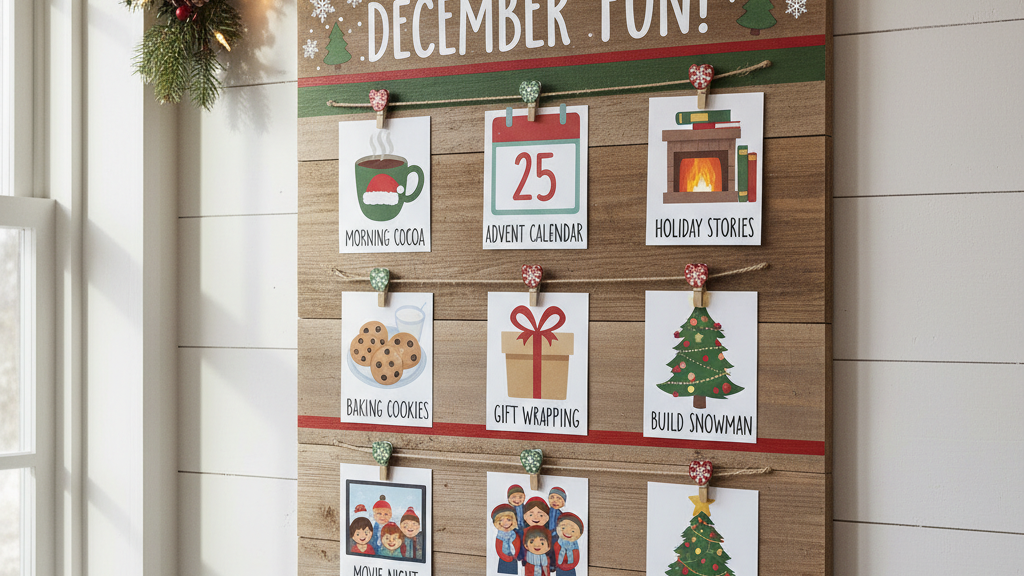
Children with autism often feel more secure when they know what to expect. Visual schedules are powerful tools that provide structure and predictability, especially when routines change.
Tips for using visual schedules during December:
- Include both familiar routines and new events (e.g., “Visit Grandma” or “Holiday Parade”)
- Use pictures, icons, or written labels depending on your child’s needs
- Review the schedule at the beginning of the day and provide reminders before transitions
Even small changes, like a canceled therapy session or a different dinner time, can be less stressful when visually communicated in advance.
2. Prepare for Changes Ahead of Time
Preparation is key to reducing anxiety during transitions. Talk to your child in advance about upcoming changes to routines, environments, or social settings. The more time your child has to process these shifts, the better they can cope.
Helpful strategies include:
- Creating social stories that explain what will happen, where, and why
- Visiting new places or reviewing photos ahead of time
- Practicing phrases or behaviors they may need during events (e.g., “Hello,” “No, thank you”)
ABA therapists can help families develop transition supports that are tailored to each child’s learning style and skill level.
3. Maintain Familiar Routines Where Possible
While some change is unavoidable during December, maintaining familiar elements of your child’s routine can help provide a sense of security and control.
Try to preserve:
- Bedtime and wake-up schedules
- Meal and snack times
- Daily reinforcement systems or behavior tracking tools
Even if therapy or school is on break, you can still build in structured activities like reading time, sensory play, or simple at-home ABA routines to maintain consistency.
4. Provide Choices to Increase Engagement
During times of transition, offering choices can help children feel more in control and reduce resistance to change. Even small choices can empower your child and promote smoother transitions.
Examples:
- “Do you want to wear your red or green sweater to the party?”
- “Should we read your book before or after snack time?”
- “Would you like to help wrap gifts or decorate cookies?”
These options not only increase cooperation, but also create learning moments aligned with ABA therapy goals such as communication, following directions, and social interaction.
5. Be Mindful of Sensory Triggers
December often brings new sights, sounds, smells, and crowds—many of which can be overwhelming for children with autism. Preparing for and managing sensory experiences is an essential part of transition planning.
Consider:
- Bringing noise-canceling headphones to crowded or noisy places
- Using calming strategies like deep pressure items, weighted blankets, or familiar music
- Creating a quiet space at home or when visiting others where your child can retreat
Proactive planning for sensory regulation can make transitions more manageable and less stressful.

6. Celebrate Small Wins
Transitions, especially during the holidays, can be difficult—but every success matters. Reinforce positive behavior and successful transitions with meaningful rewards, whether that’s verbal praise, a favorite activity, or a small treat.
Try to catch your child doing something well—even if it’s as simple as calmly transitioning from one room to another—and reinforce it. Positive reinforcement builds confidence and helps generalize skills across settings and situations.
7. Collaborate with Your ABA Team
Your ABA provider is a valuable resource during the holidays. If you’re unsure how to support transitions during December, reach out to your therapy team for help planning strategies that work at home and in the community.
Ways your ABA team can support you:
- Developing custom visual schedules and social stories
- Coaching caregivers on reinforcement techniques
- Creating behavior supports for family events or travel
At VBA California, we work closely with families to ensure consistency between therapy and real-world environments—even during busy or unpredictable times.
Final Thoughts: Transition with Confidence
With a thoughtful approach and the right supports, transitions in December don’t have to feel overwhelming. By using ABA strategies such as visual schedules, preparation, and reinforcement, families can help their children navigate changes more confidently—and enjoy the holiday season together.
Contact us today to learn how we can support your family through seasonal transitions with personalized ABA strategies that empower progress and reduce stress.